
Babies · 3 min read
Bottom shufflers: the scoot that skips crawling
Some babies scoot on their bottoms instead of crawling, often walking later as a result. Usually charming, harmless and runs in families; here's what to know.
Download PDF ↓ of this guideFree to print and share with family, school or nursery.
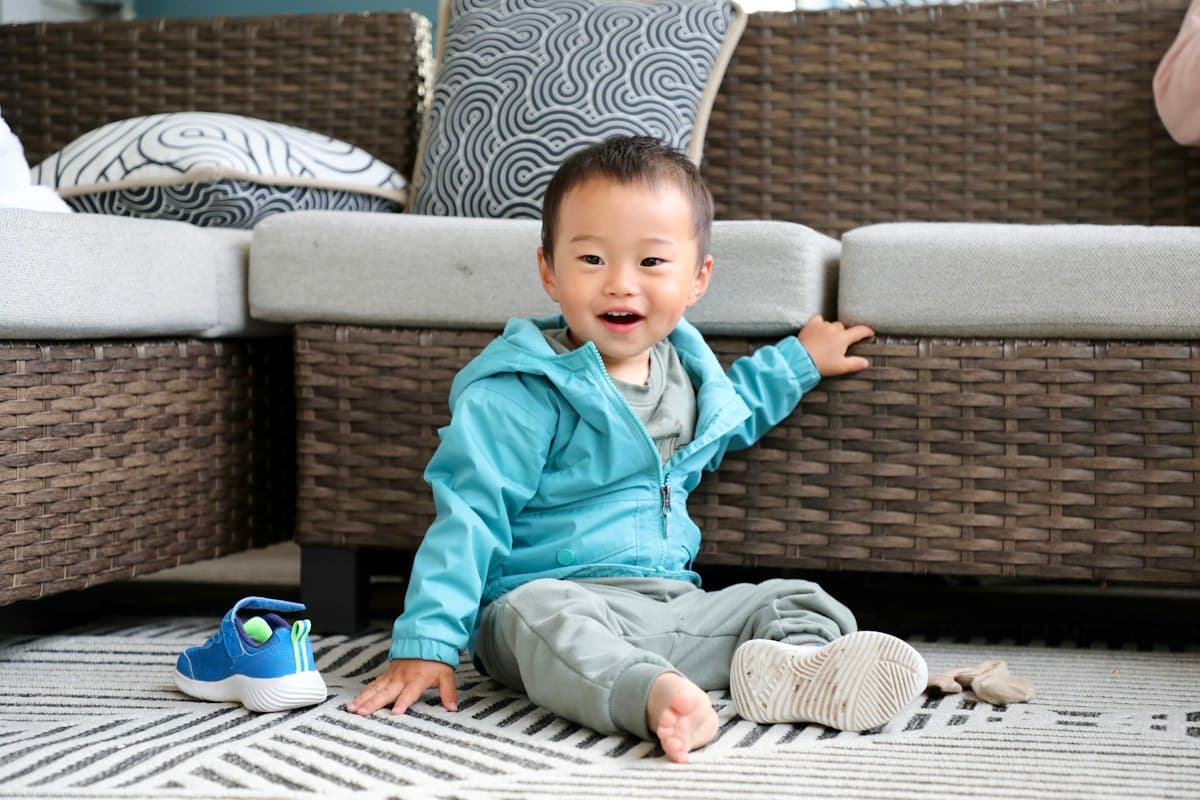
A legitimate way to travel
Around one in ten babies skips crawling and scoots on their bottom instead, often with impressive speed. Bottom-shuffling runs in families and is usually a variation, not a problem. Shufflers tend to walk later than crawlers (frequently between eighteen months and two years) because shuffling is efficient and standing up means giving up a perfectly good transport system.
Why it's worth a look anyway
Occasionally a baby shuffles because floor play on the tummy was tricky, because of low muscle tone, or because of hip or leg differences. A single physiotherapy assessment can rule those out, show you games that build the muscles crawling would have built (hands-and-knees play, climbing, supported standing), and reassure you about the road to walking.
When to seek help
See your GP or book an assessment if your shuffler always tucks the same leg, isn't pulling to stand by around fourteen to sixteen months, isn't walking by two, or seems floppy or effortful compared with other children. Otherwise: enjoy the scoot. It doesn't last long.
This guide is general information written by a paediatric physiotherapist, not medical advice about your child. If you are worried, trust your instinct: speak to your GP or health visitor, or get in touch with us.
Written by Lucy Jolliffe BSc MSc, HCPC registered physiotherapist (PH142090).