

Babies4 min read
Torticollis and flat head shape: what parents need to know
Why some babies prefer looking one way, how it links to flat head shape, and the simple things that help.
Honest, jargon-free answers to the questions parents ask us most, written to reassure first. None of it replaces seeing your child in person, and every guide says clearly when it's time to ask for help.
Free to download, print and share. Every guide is available as a branded PDF, for families and for schools, nurseries, GP surgeries and anyone who supports children.
Why some babies prefer looking one way, how it links to flat head shape, and the simple things that help.

Why tummy time matters for strength and head shape, how much is enough at each stage, and honest, practical tactics for babies who protest loudly.
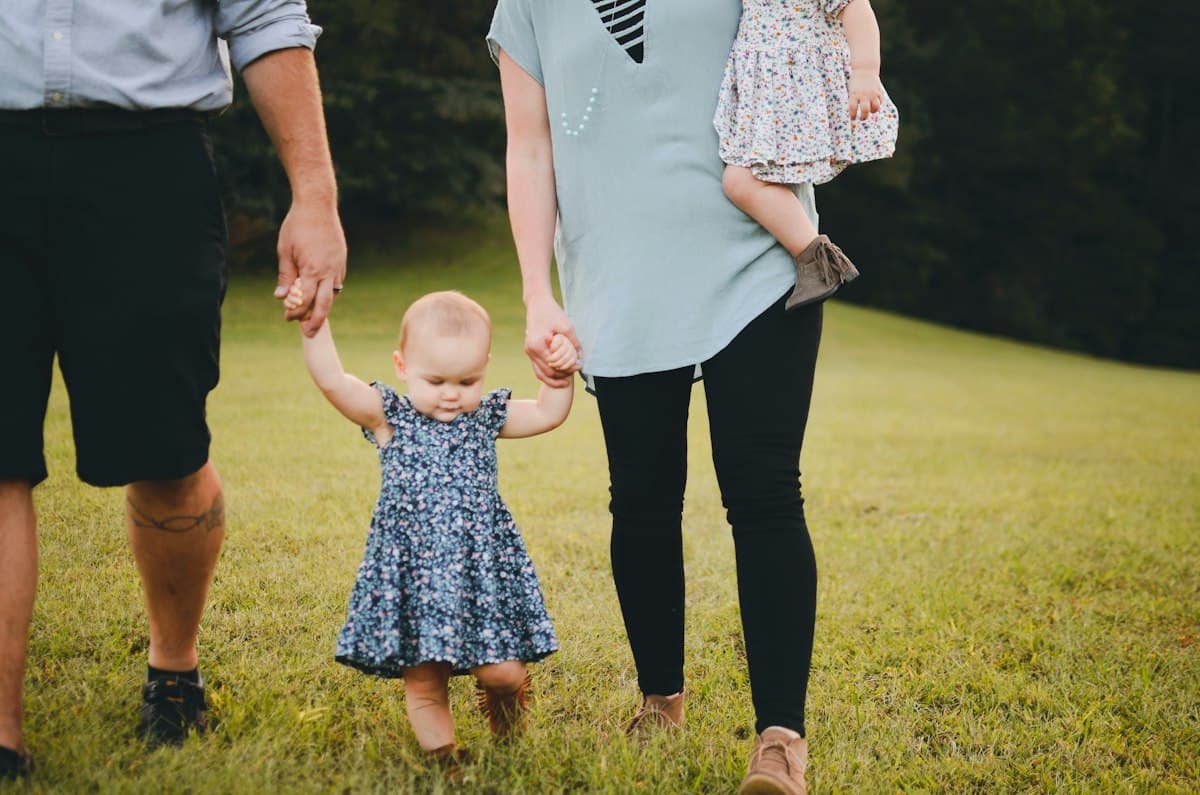
Most children walk between 10 and 18 months. What's within the range of normal, and what deserves a closer look.

Some babies scoot on their bottoms instead of crawling, often walking later as a result. Usually charming, harmless and runs in families; here's what to know.
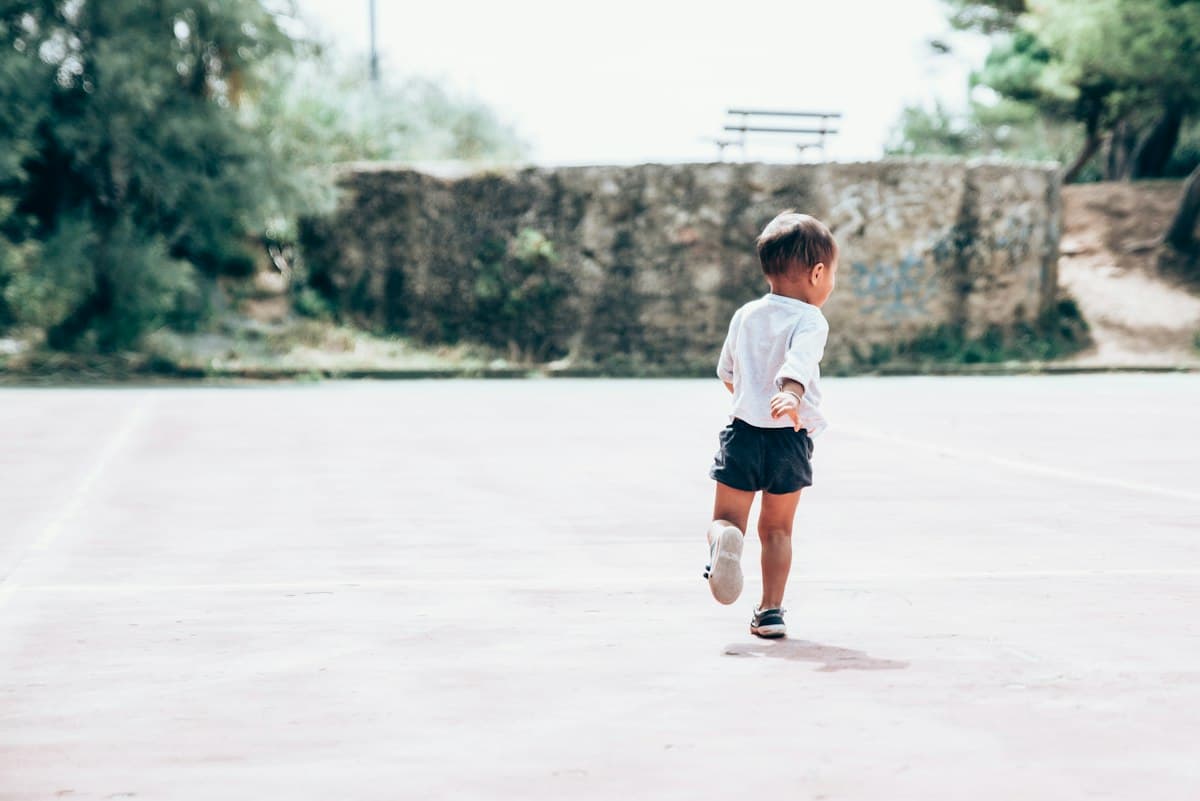
Lots of toddlers walk on tiptoes for a while. Most grow out of it on their own, but some need physiotherapy help; here's how to tell the difference.
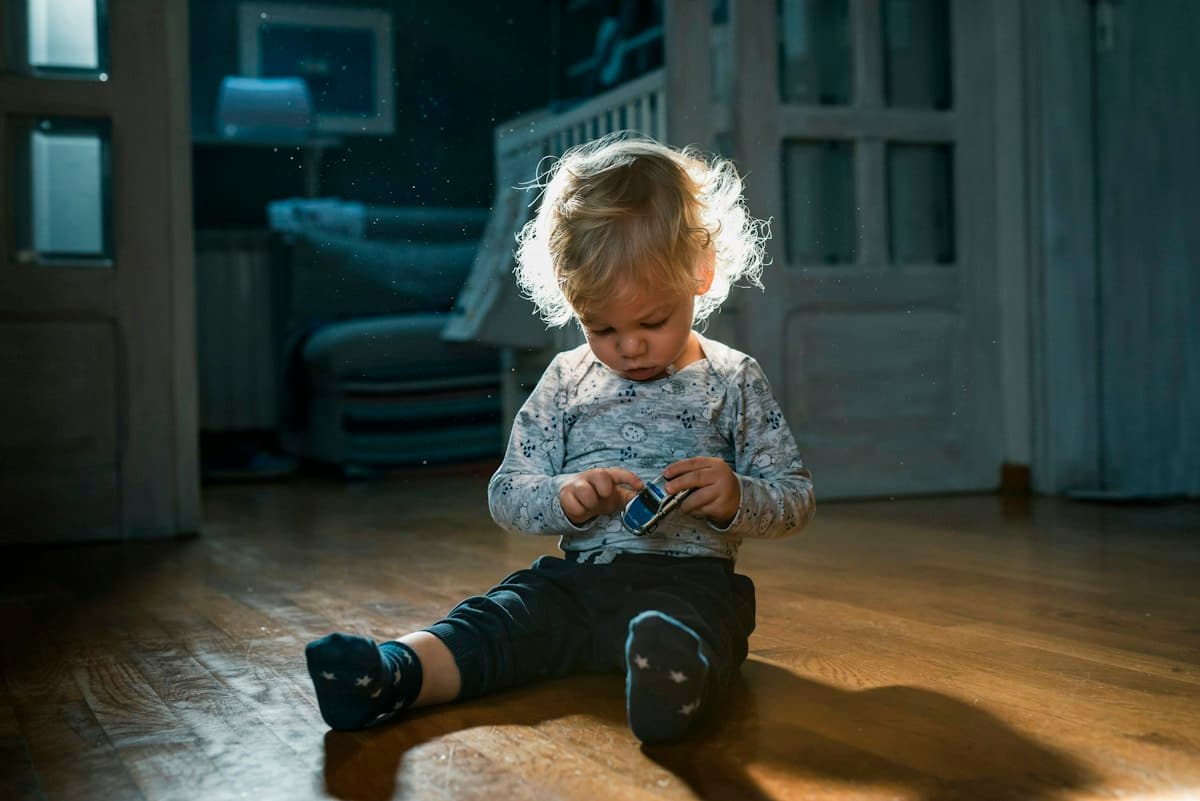
The sitting position that launched a thousand worried Facebook posts, explained honestly: when it's fine, when it's worth a look, and what the evidence says.
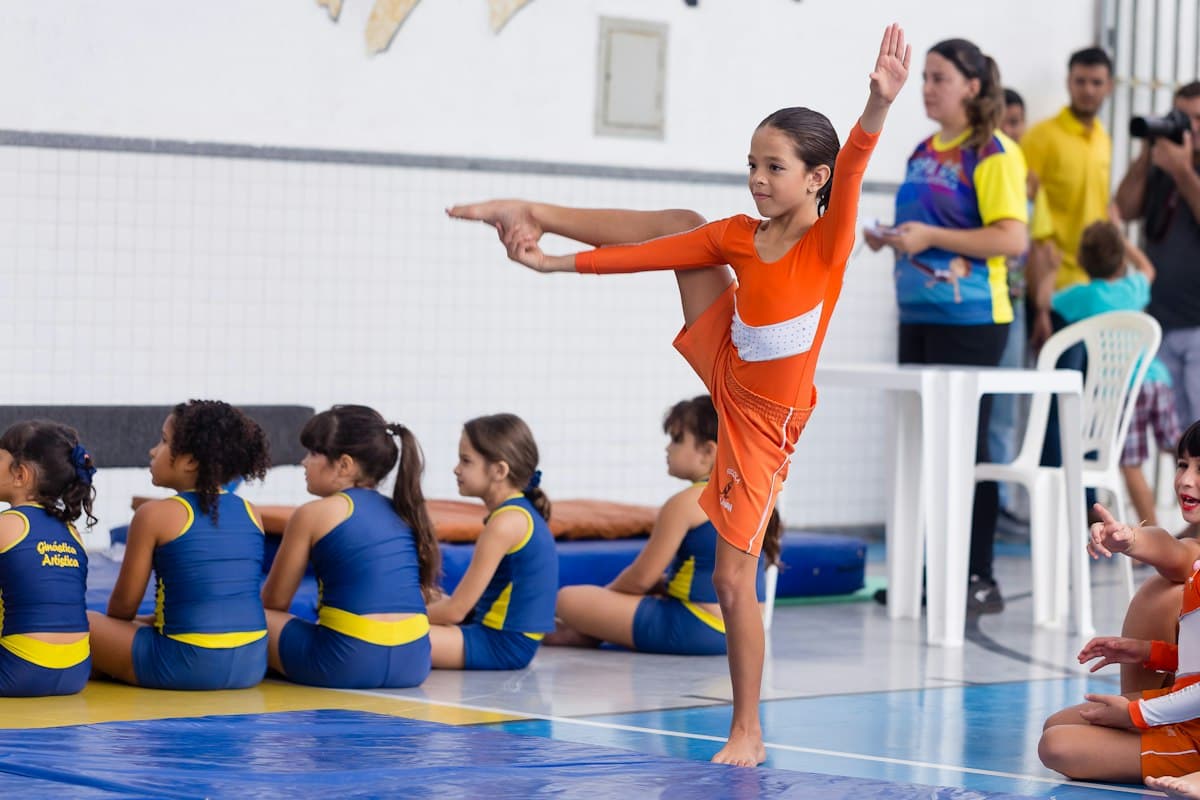
Extra-flexible joints are common in children. When bendiness is a party trick, when it causes aches, and how strength helps.
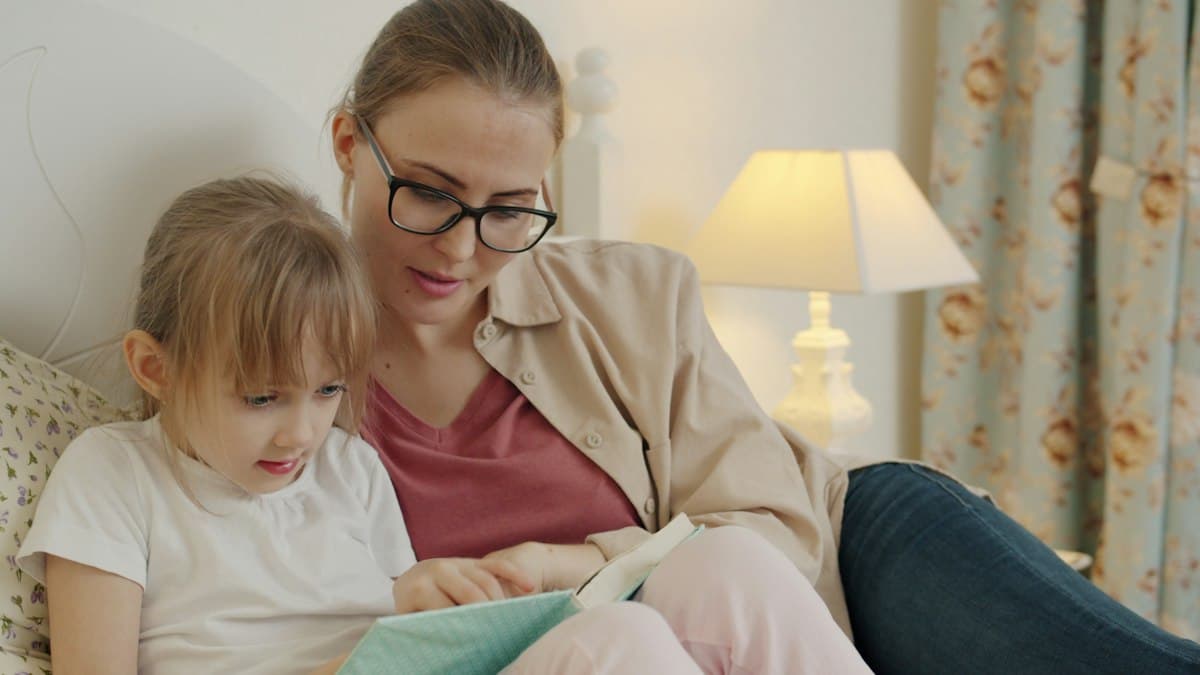
Achy legs at bedtime are common between three and twelve. What growing pains are, what they are not, and red flags.
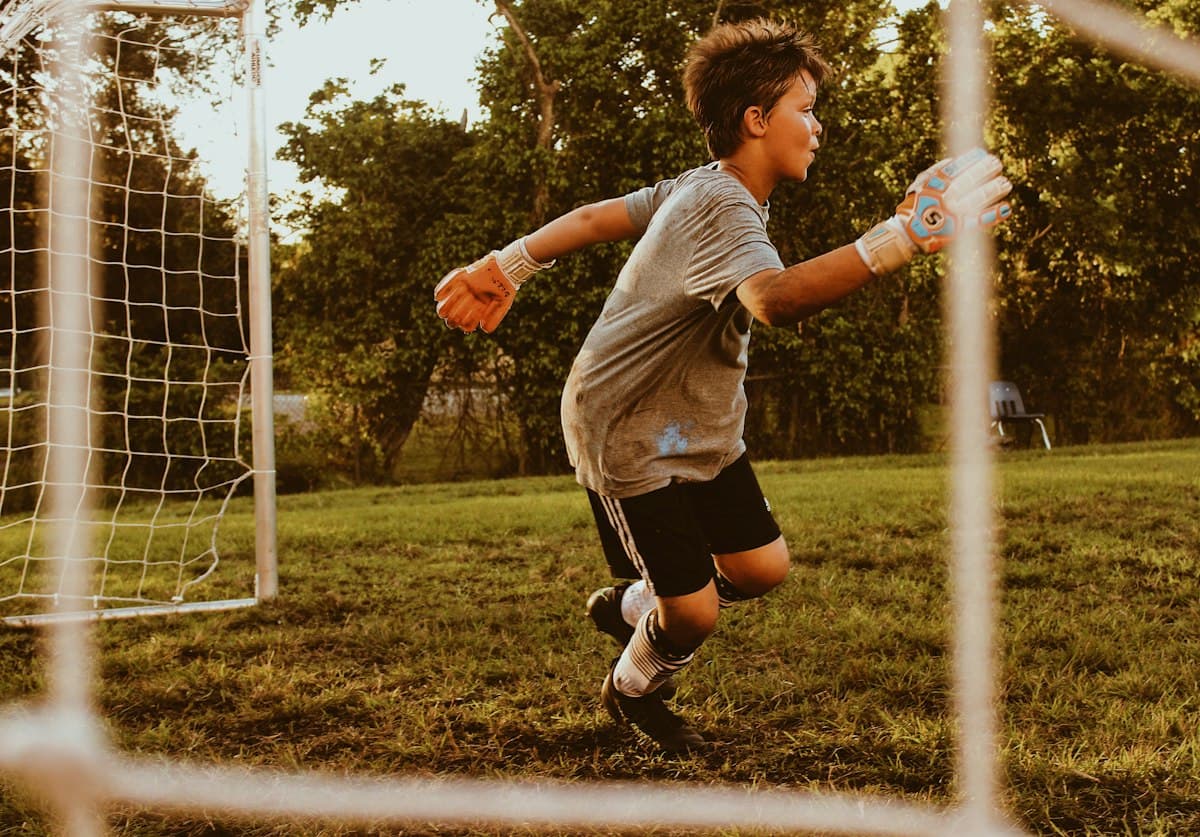
The commonest cause of heel pain in active 8-to-14-year-olds, and how to keep them in the game while it settles.
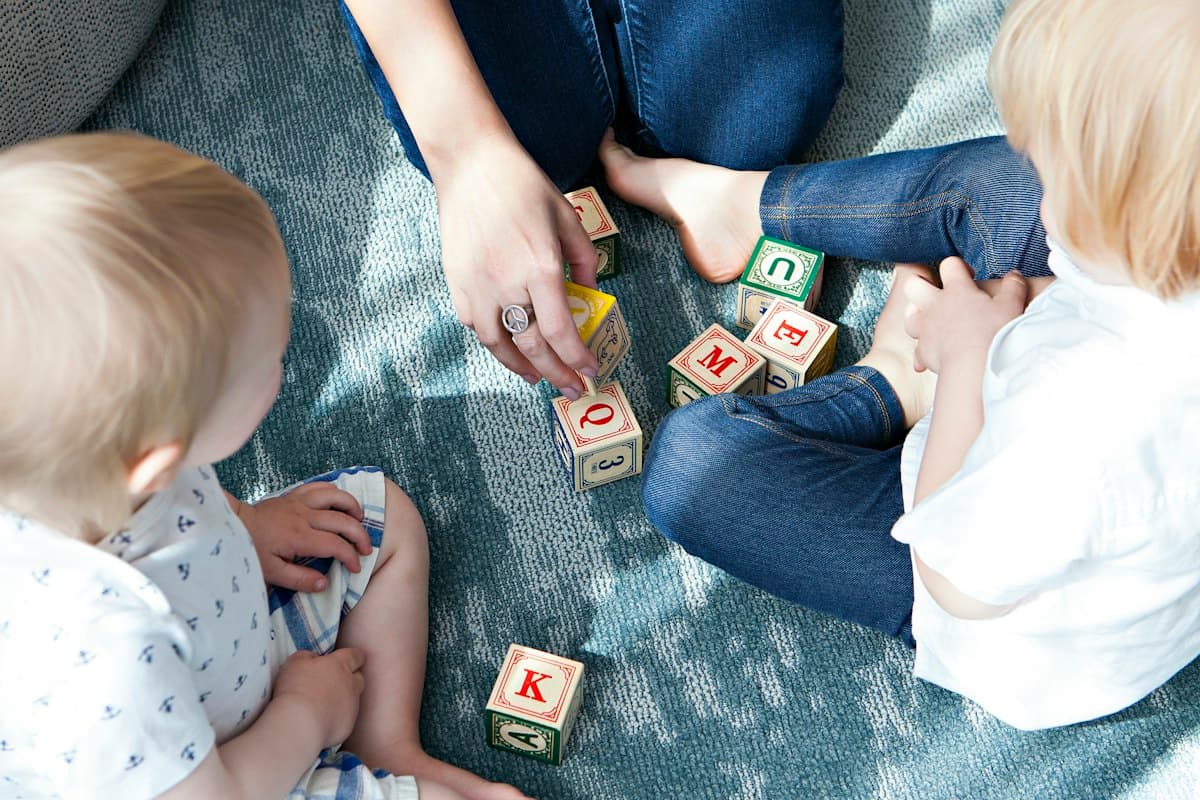
Rolling, sitting, crawling, walking: the honest ranges, why comparison is the thief of joy, and the signs that do deserve a look.

Why flat spots develop, what repositioning and physiotherapy can do, and an honest look at helmet therapy.
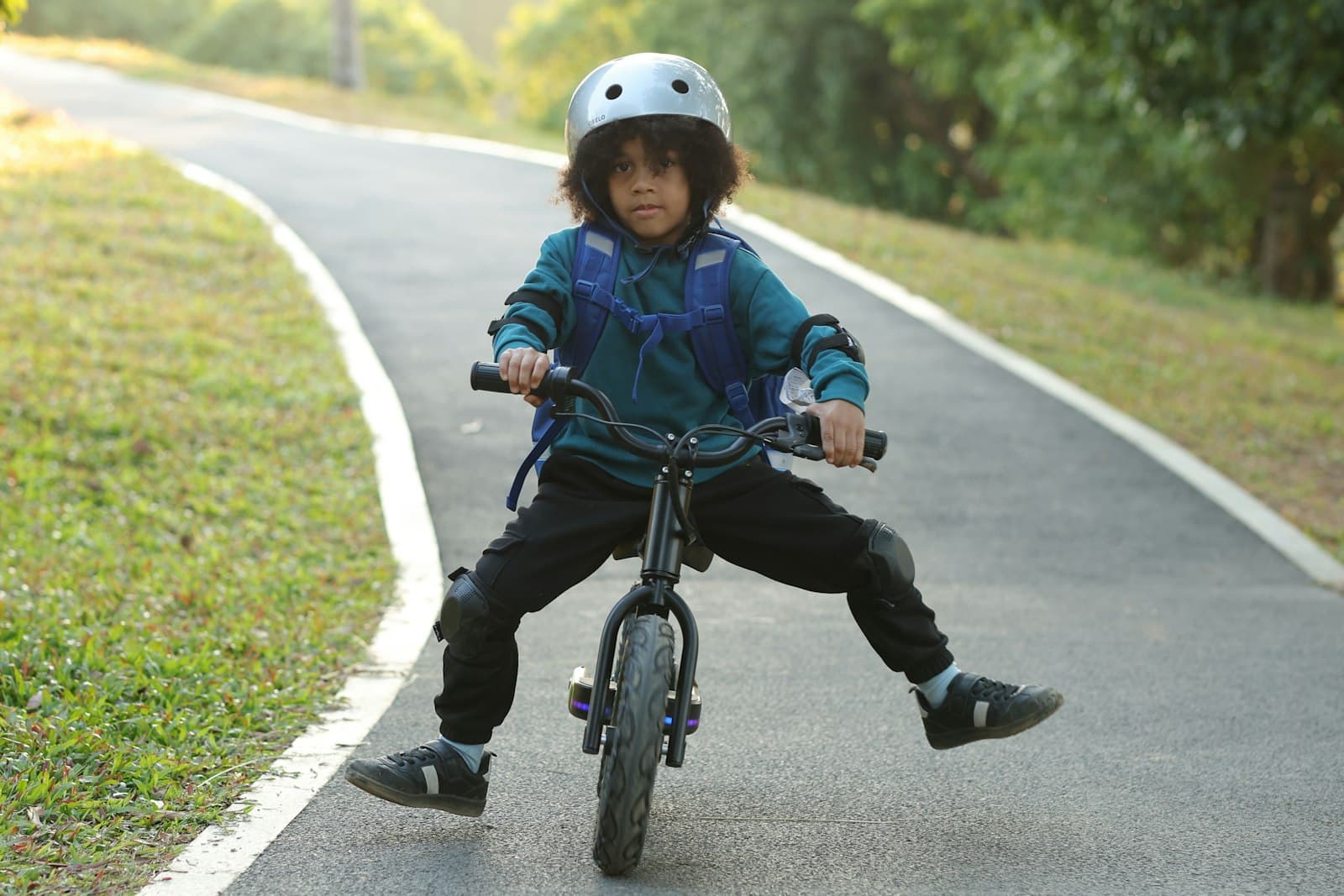
Why some children trip, drop things and struggle with PE more than their friends, what DCD is, and how support helps.
Flat-looking feet and toes that point inward are extremely common in young children. When it's part of normal development, and when it's worth a check.

A plain-English guide to Education, Health and Care plans: what they cover, how the process works, and where a physiotherapy report fits in.
These guides are general information, not medical advice for your child. If you are worried, speak to your GP or health visitor, or book an assessment with us.