
All ages · 4 min read
Bendy kids: understanding joint hypermobility
Extra-flexible joints are common in children. When bendiness is a party trick, when it causes aches, and how strength helps.
Download PDF ↓ of this guideFree to print and share with family, school or nursery.
What hypermobility means
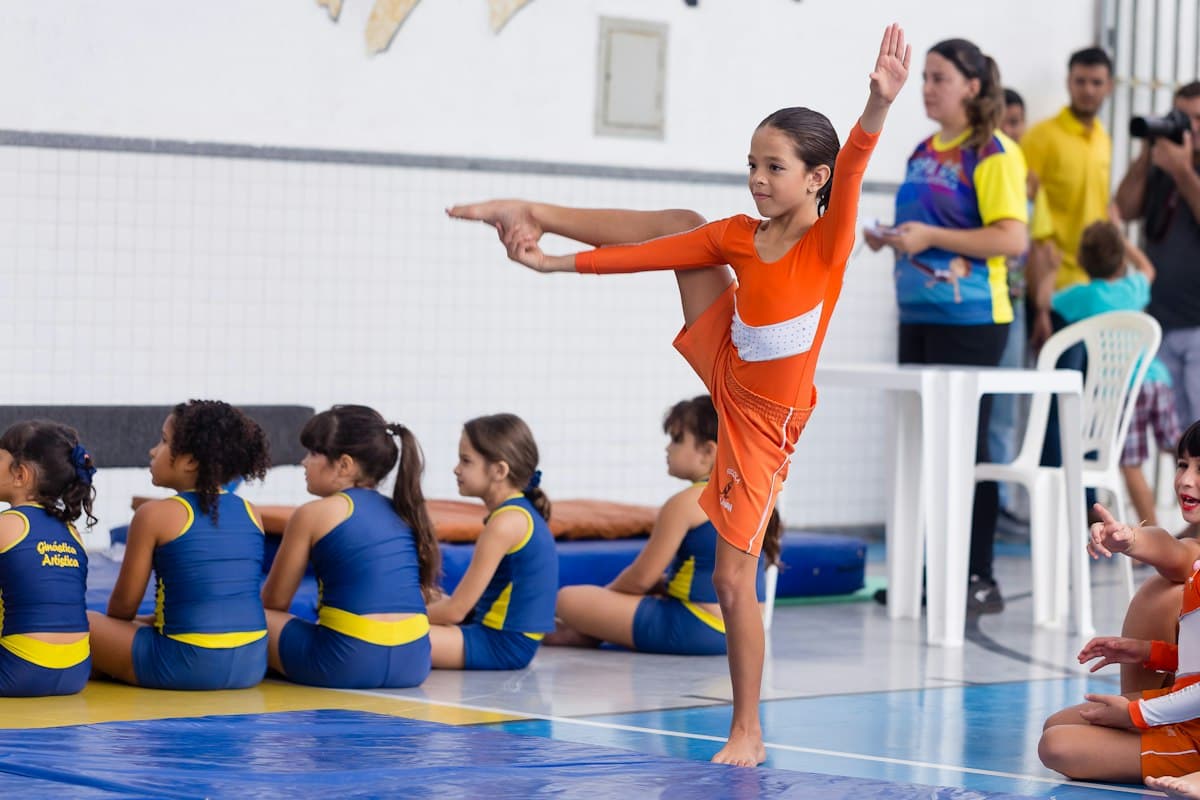
Hypermobile joints move further than average: elbows and knees that over-straighten, thumbs that reach the forearm, party-trick shoulders. It's very common in children, often runs in families, and for many people it never causes any trouble at all. Flexibility can even be an advantage in gymnastics, dance and swimming.
When bendiness causes bother
Some hypermobile children get aches after busy days, tire faster than friends, avoid handwriting because their fingers work harder to hold the pencil, or go over on their ankles a lot. This happens because extra-flexible joints ask the muscles to do more of the stabilising work, and if the muscles aren't strong enough yet, things ache.
The answer is almost never 'stop doing sport'. It's targeted strength: building the muscles around the bendy joints so they are supported through their big range. Physiotherapy turns that into games and short routines, and paces activity so busy days stop ending in sore evenings.
When to seek help
Come and see us if aches are regular enough to affect school, sport or sleep, if ankles give way often, or if your child avoids physical play they used to enjoy. See your GP if joints actually dislocate, if pain is severe or constant, or if there are other symptoms alongside the bendiness, such as significant fatigue or skin and bruising changes.
This guide is general information written by a paediatric physiotherapist, not medical advice about your child. If you are worried, trust your instinct: speak to your GP or health visitor, or get in touch with us.
Written by Lucy Jolliffe BSc MSc, HCPC registered physiotherapist (PH142090).