
Children · 5 min read
"Clumsy" child? Understanding developmental coordination disorder (DCD)
Why some children trip, drop things and struggle with PE more than their friends, what DCD is, and how support helps.
Download PDF ↓ of this guideFree to print and share with family, school or nursery.
More than just clumsy
Every child trips over their own feet sometimes. Developmental coordination disorder, often shortened to DCD (you may also hear the older term dyspraxia), describes something more persistent: a child whose coordination is noticeably behind what's expected for their age, in a way that gets in the way of everyday life at home, at school, or at play, and isn't explained by another medical or neurological condition.
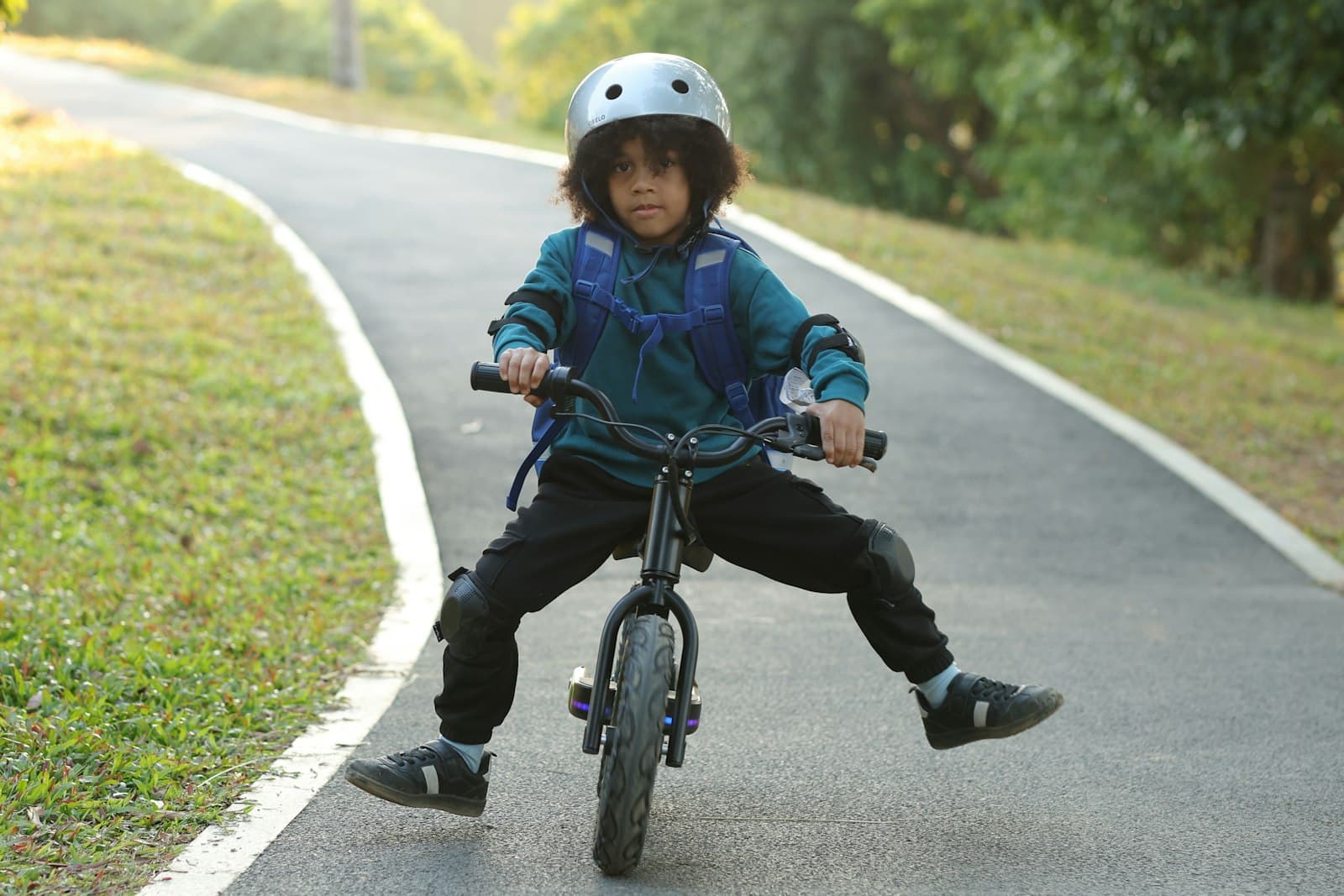
Children with DCD are not lazy, careless or trying less hard. Planning and coordinating movement takes them more conscious effort than it does other children, so tasks that look automatic for classmates, catching a ball, doing up buttons, riding a bike, copying from the board while sitting still, can be genuinely tiring and frustrating.
What it can look like
There's a wide range, and no two children with DCD look identical, but common patterns include: frequent trips, bumps and dropped items; difficulty learning new physical skills such as riding a bike, swimming or catching, even with plenty of practice; handwriting that's effortful or hard to read; trouble with tasks needing two hands to work together, like cutting with scissors or tying laces; and tiring quickly during PE or playground games compared with friends.
Many children with DCD are bright, verbal and sociable, which can mean the physical struggles are put down to a lack of effort rather than recognised for what they are. That mismatch is often exactly what brings families to see us.
How it's identified
DCD isn't something we diagnose from a single guide or a quick checklist, and it's a diagnosis that formally sits with a paediatrician, often alongside input from an occupational therapist and physiotherapist, using standardised assessment and a full picture of the child's history and development. What physiotherapy can do without a diagnosis already in place is assess how your child moves, identify practical areas to work on, and, where it seems appropriate, support a referral for a fuller diagnostic assessment with the evidence to back it up.
What helps
The good evidence-based approach is task-specific practice: breaking down the particular skills that matter to your child and your family, whether that's pedalling a bike, managing PE, or handwriting stamina, into manageable steps and building them up through repeated, enjoyable practice, rather than generic 'coordination exercises' unrelated to real life. Physiotherapy can also help with confidence and pacing, so a child isn't opting out of physical activity altogether because it's become associated with failure.
Working with school matters too. A short, practical letter or chat with a teacher or SENCO, covering things like extra time for PE changing, adapted seating, or breaking down instructions, often makes a bigger day-to-day difference than any single exercise.
When to seek help
It's worth an assessment if your child's coordination is noticeably behind their peers across more than one area of life (home, school and play), if it's affecting their confidence, friendships or how they feel about themselves, or if teachers have raised similar concerns. We're happy to see a child without a diagnosis, and equally happy to support you toward one if that looks like the right next step. As always, if something else looks more likely, we'll tell you honestly and point you the right way.
This guide is general information written by a paediatric physiotherapist, not medical advice about your child. If you are worried, trust your instinct: speak to your GP or health visitor, or get in touch with us.
Written by Lucy Jolliffe BSc MSc, HCPC registered physiotherapist (PH142090).