
Children · 4 min read
Toe walking: cute habit or something more?
Lots of toddlers walk on tiptoes for a while. Most grow out of it on their own, but some need physiotherapy help; here's how to tell the difference.
Download PDF ↓ of this guideFree to print and share with family, school or nursery.
Why children toe walk
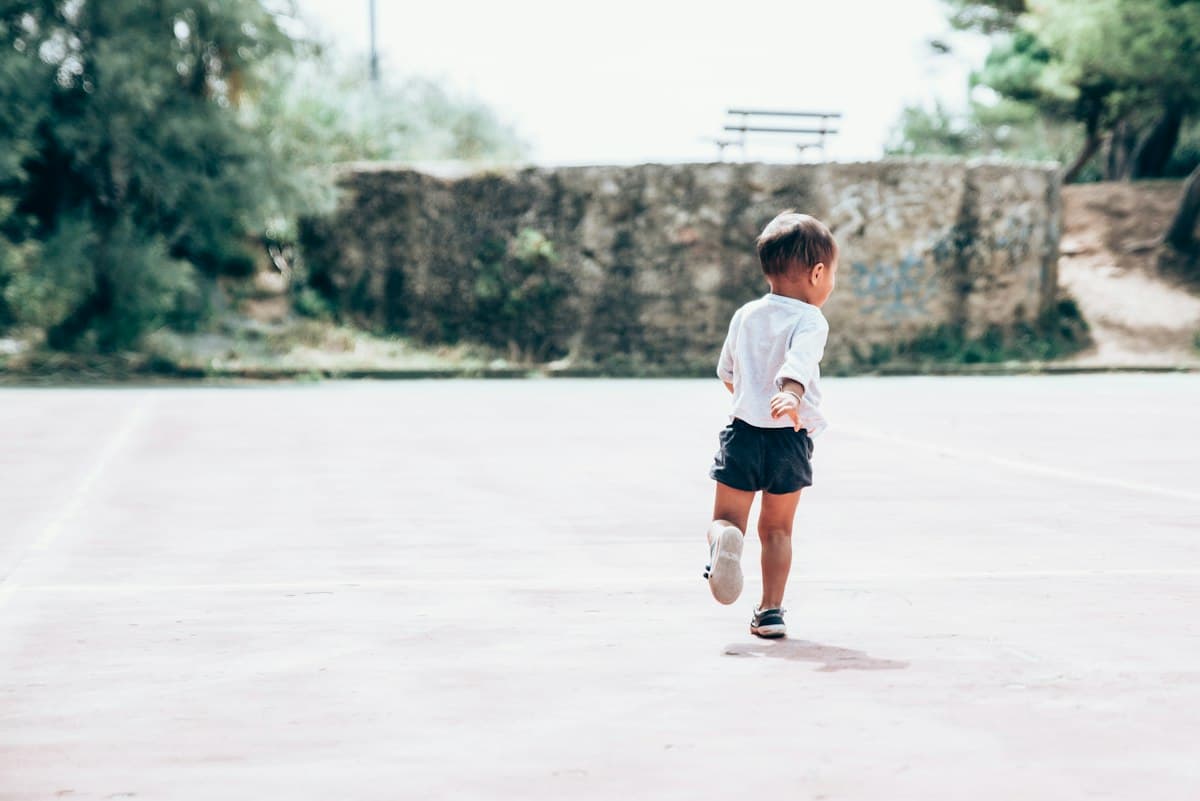
Many toddlers go through a tiptoe phase; it's fun, it's fast, and it makes you taller. When toe walking persists, the commonest finding is 'idiopathic' toe walking: a habit that has tightened the calf muscles over time, which then makes flat feet genuinely harder. Less often, toe walking relates to tight muscles from birth, a difference in muscle tone, or sensory preferences.
What helps
The earlier the habit is addressed, the easier it is to change. Physiotherapy for toe walking usually blends calf stretches disguised as games, strength work for the muscles that pull the foot up, balance practice, and footwear advice. We also look at the whole child, not just the feet, to work out why the pattern started.
At home: heel-walking games ('walk like a penguin'), walking up slopes, squatting to play, and bare-foot time on different surfaces all encourage heels down.
When to seek help
Book an assessment if your child walks on their toes most of the time past the age of two, cannot get their heels to the floor when standing still, complains of calf pain or trips a lot, or started toe walking after walking flat for a while. If the toe walking is on one side only, or your child is losing skills, see your GP promptly.
This guide is general information written by a paediatric physiotherapist, not medical advice about your child. If you are worried, trust your instinct: speak to your GP or health visitor, or get in touch with us.
Written by Lucy Jolliffe BSc MSc, HCPC registered physiotherapist (PH142090).