
Children · 3 min read
W-sitting: should you actually worry?
The sitting position that launched a thousand worried Facebook posts, explained honestly: when it's fine, when it's worth a look, and what the evidence says.
Download PDF ↓ of this guideFree to print and share with family, school or nursery.
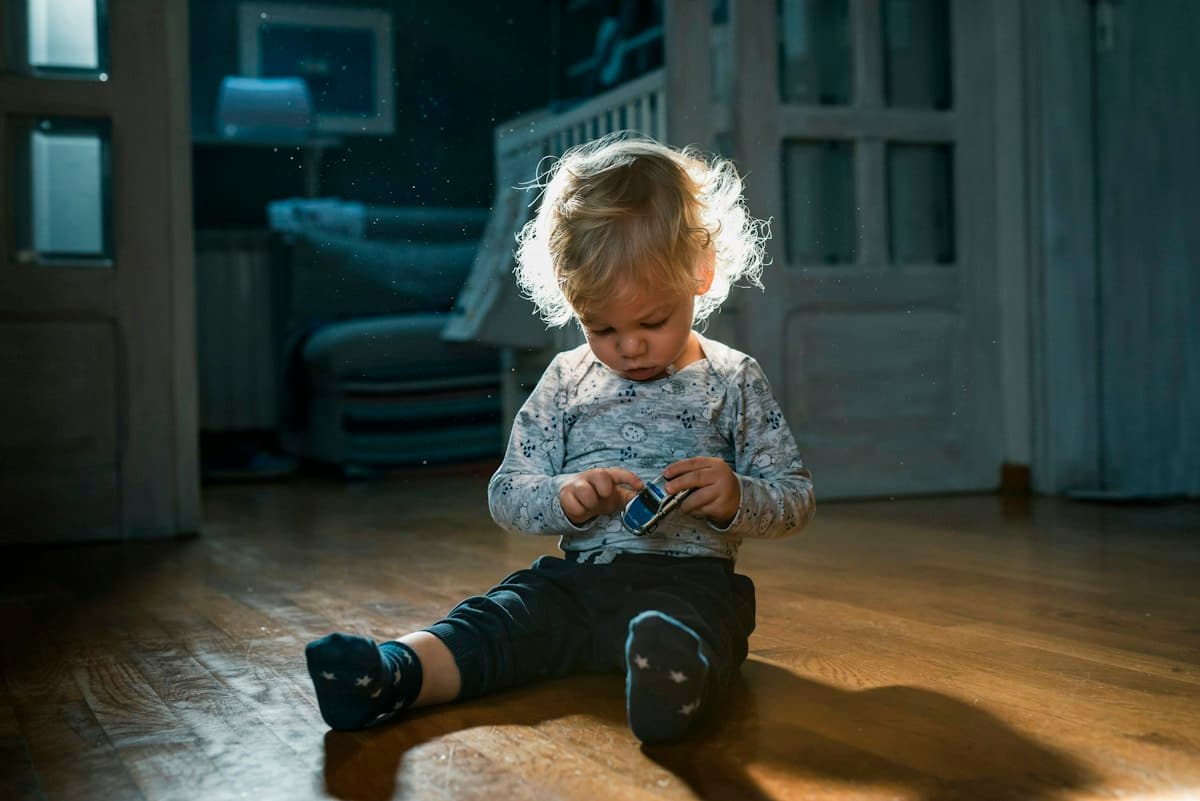
What W-sitting is
Look at your child sitting on the floor from above: if the legs make a W shape (knees together, feet out beside the hips), that's W-sitting. Children love it because it's stable; the wide base means they can play with both hands without working hard at balance.
The honest answer
For most children, W-sitting some of the time is fine, and the internet has been harder on it than the evidence justifies. Children who are flexible find it comfortable, and an occasional W is not going to damage typical hips.
It becomes worth attention when it's the only position a child ever uses, when it goes with very bendy joints, weakness, or delayed motor skills, or when a child physically cannot sit any other way. In those cases the W is usually a clue about core strength or hip flexibility rather than a problem in itself.
What to do
Rather than nagging ('sit properly!'), offer variety: cross-legged, legs out front, side-sitting, kneeling at a low table, or perching on a small stool. Strengthen the core through play: climbing, animal walks, wheelbarrow walking. If your child seems stuck in the W, trips a lot, or avoids other positions entirely, an assessment can find out why and give you a plan.
This guide is general information written by a paediatric physiotherapist, not medical advice about your child. If you are worried, trust your instinct: speak to your GP or health visitor, or get in touch with us.
Written by Lucy Jolliffe BSc MSc, HCPC registered physiotherapist (PH142090).