Children · 4 min read
Heel pain in sporty kids: Sever's disease explained
The commonest cause of heel pain in active 8-to-14-year-olds, and how to keep them in the game while it settles.
Download PDF ↓ of this guideFree to print and share with family, school or nursery.
What Sever's is
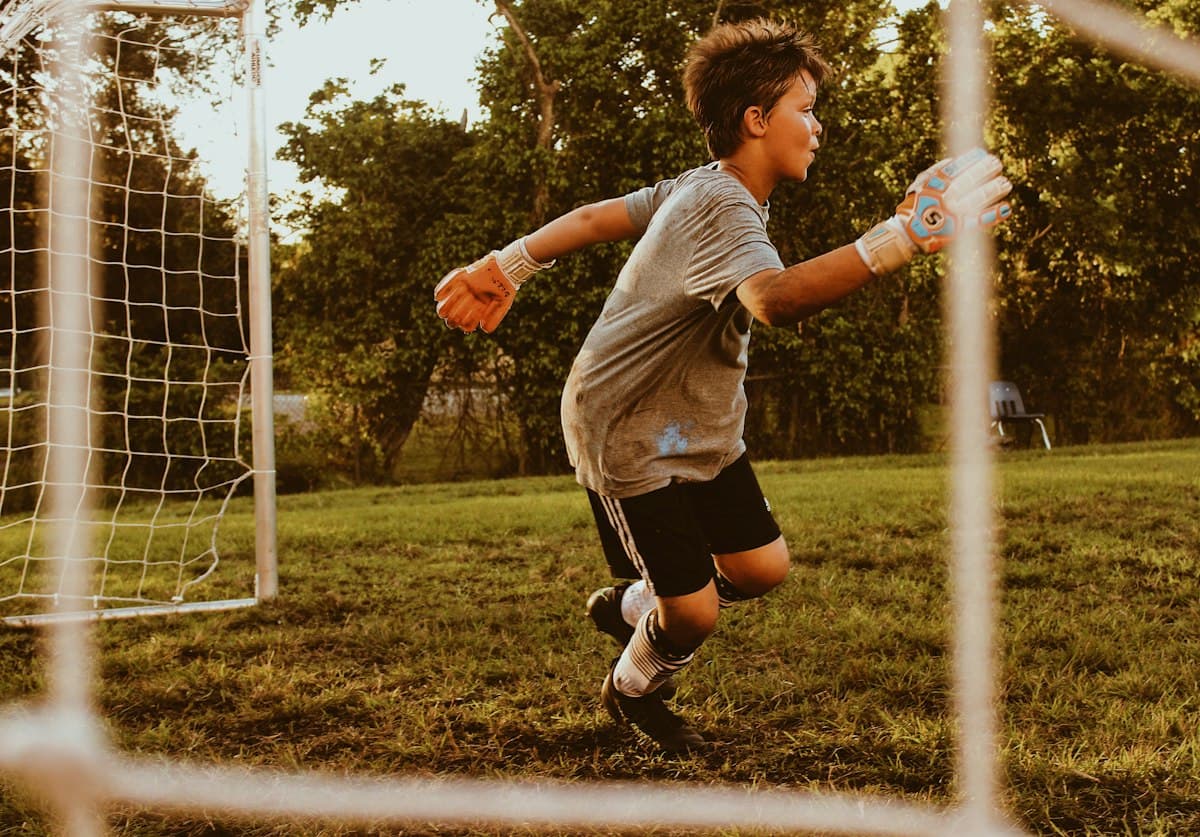
Sever's disease (calcaneal apophysitis, a much less alarming name) is irritation of the growth area at the back of the heel, where the Achilles tendon attaches. It shows up in active children around eight to fourteen, especially during growth spurts and in stop-start sports like football, netball, gymnastics and running.
It is not damage, and it always settles once the growth area matures. The job in the meantime is managing the load so your child can stay active with less pain.
What helps
Calf stretches and gradually building calf strength; a small heel raise in shoes during flare-ups; supportive trainers rather than flat, worn-out ones; ice after sport for sore days; and, crucially, tuning the training load, often trimming volume rather than stopping. Complete rest usually isn't necessary and children rarely forgive you for it.
Physiotherapy helps with the balance: enough sport to stay happy and fit, not so much that the heel stays cross, plus a plan for returning to full training as it settles.
When to seek help
Book in if heel pain keeps returning, is changing how your child runs, or isn't settling with sensible load changes. See your GP if there's swelling, redness, night pain, pain after a specific injury, or if your child is limping first thing in the morning; heel pain has other causes and it's worth being sure.
This guide is general information written by a paediatric physiotherapist, not medical advice about your child. If you are worried, trust your instinct: speak to your GP or health visitor, or get in touch with us.
Written by Lucy Jolliffe BSc MSc, HCPC registered physiotherapist (PH142090).